About me
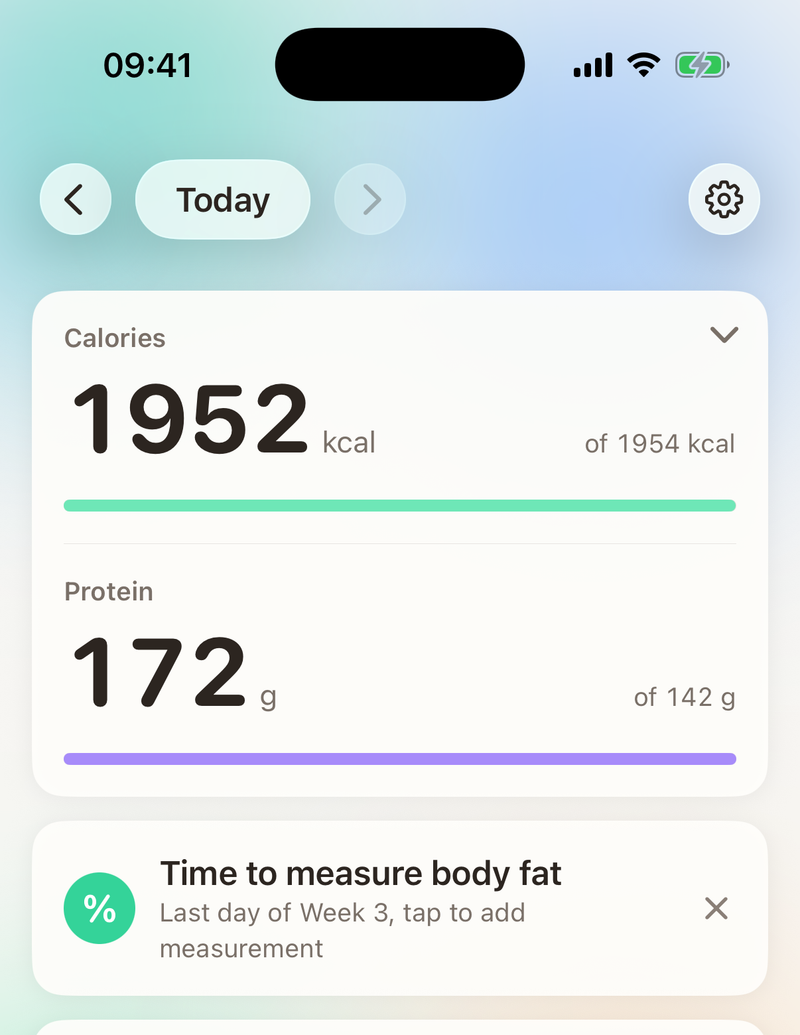
Hi, I’m Nick, and I build Deficit.
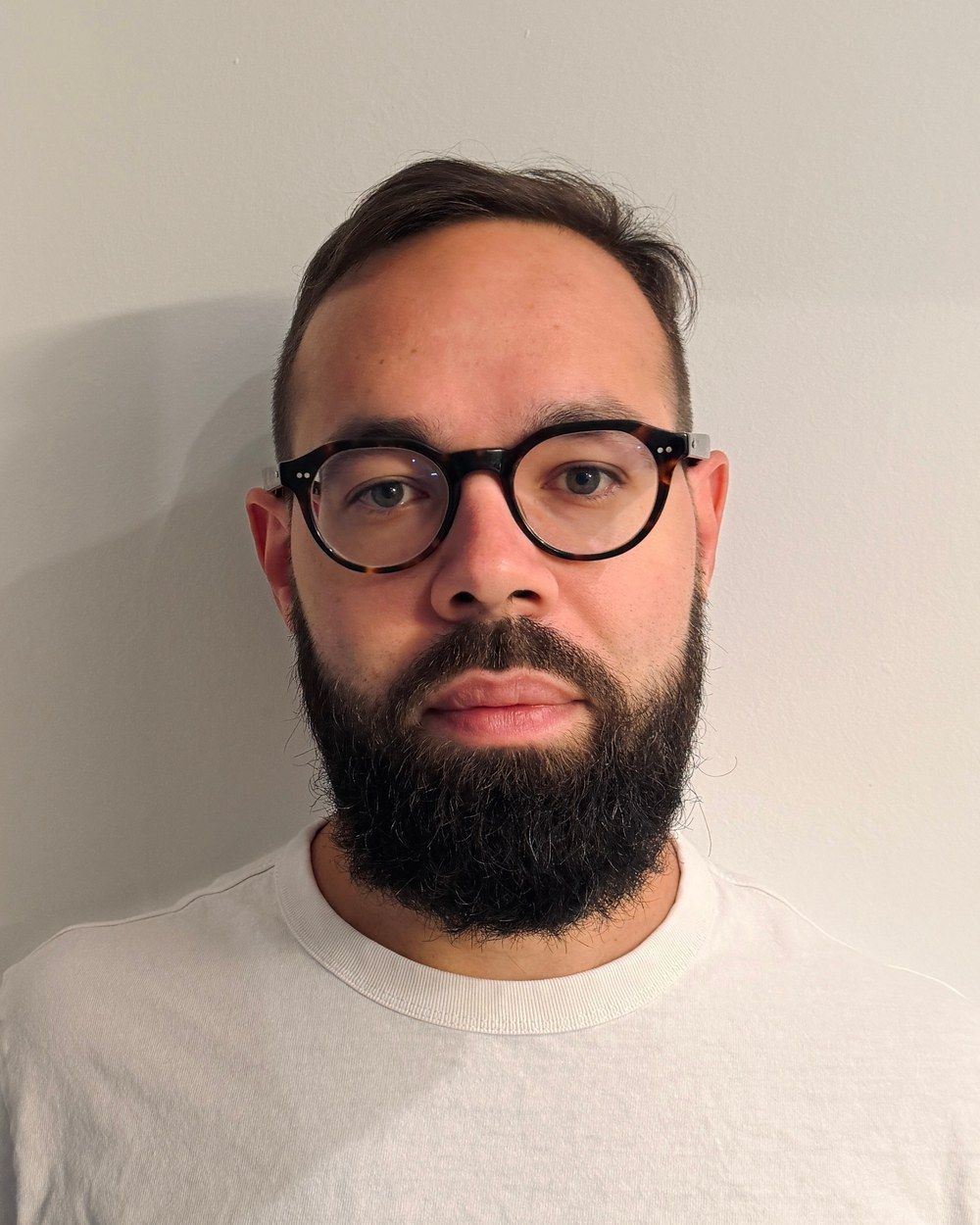
I’m a lifter, runner and padel player currently based in Barcelona.
Many people in fitness either have a sports background or have trained since childhood. Well, that’s not me. The first time I started lifting regularly was at around 27. I played a lot of football when I was a kid, but then competitive esports (Warcraft TFT and DotA) got hold of me for quite a while.
I was never obese or even overweight, however I was a typical skinny-fat IT guy, perhaps slightly wide on the waistline and hips. Once I hastily got out of a cab, and my trousers’ button flew into the darkness to never be found again. That was the day I started thinking about getting into shape.
I started going to the gym and tried various approaches:
- classic Russian powerlifter diet: boiled chicken and buckwheat, 7 days per week
- restricting specific foods
- no sugar, no desserts, no “bad” food
- low carb
- keto
- sugar-free desserts with all sorts of crazy stuff like agave nectar
Surprisingly, different variations of eating less worked to an extent, and I managed to get into shape. My form was nowhere close to the pinnacles of bodybuilding, I looked like “just a guy”. I spent a year travelling the world, eating somewhat balanced, did almost no training and still looked okay.
Then I started doing amateur-level powerlifting. Nothing crazy, but 170 kg deadlift/140 kg squat were good results for my bodyweight and training experience. However, my weight went up. It started bothering me, because I had never weighed around 80 kilos. So I decided to try and enroll in a science-backed online coaching program to improve my body fat level.
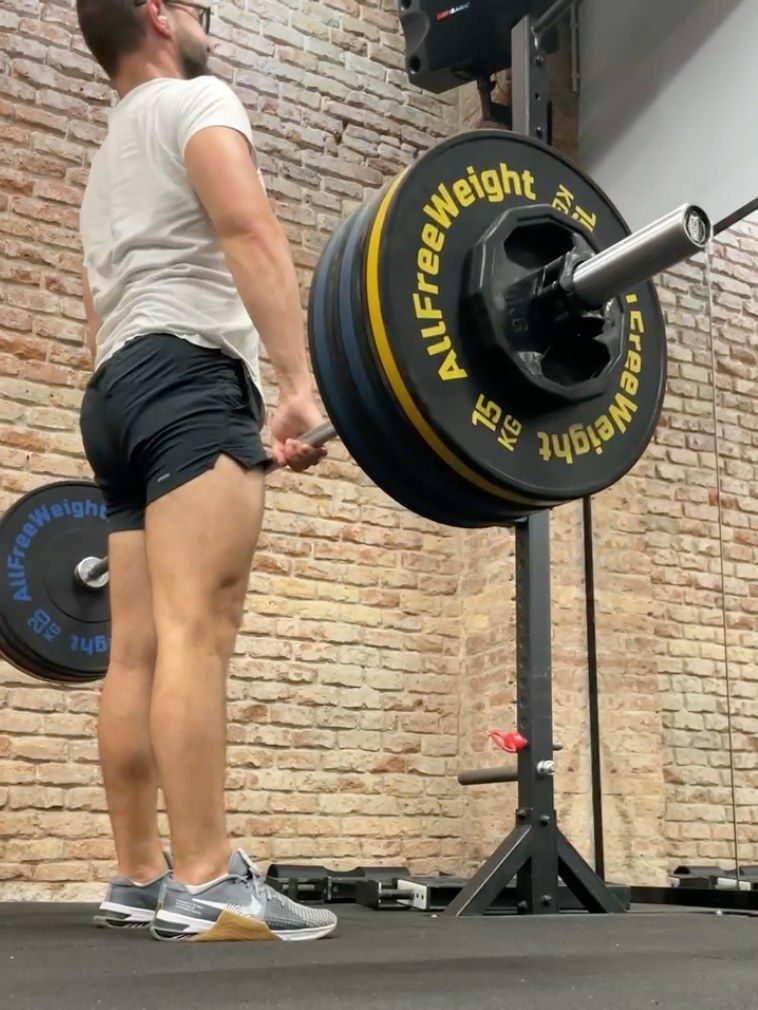
The program was very decent, fully science-backed, with good rationales. It suggested a very structured approach to losing weight that actually achieved the result, and I lost weight. I went from 80 to 72 kilos and 20 → 12% body fat in 4 months. The problem was that on the way I burned a lot of muscle, lost my lifting records, and didn’t really look the way I wanted to.
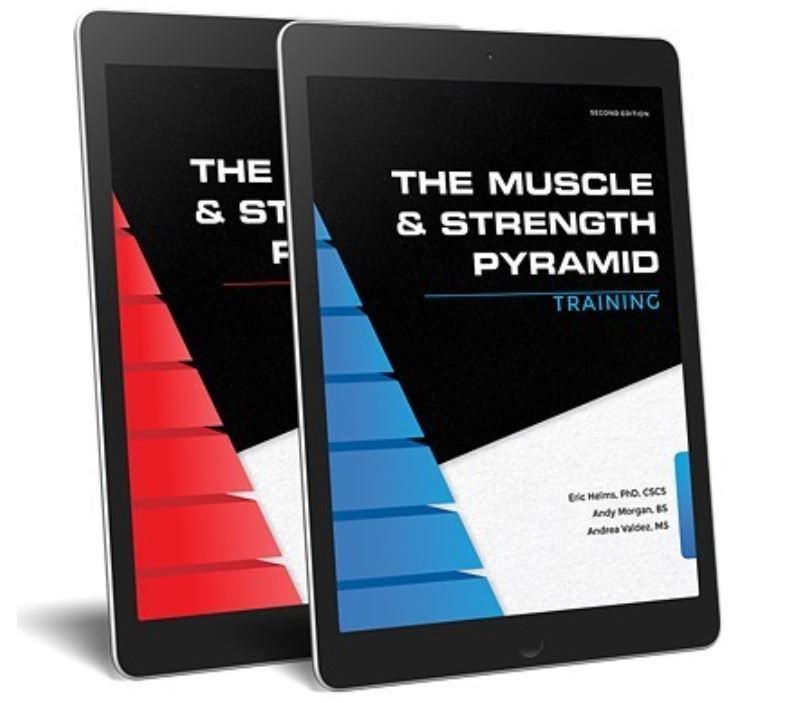
So I defaulted to an unpopular option: if you want to do something properly, do it yourself. I really wanted to understand how nutrition works. I read The Muscle and Strength Pyramids and more books by Eric Helms and Layne Norton. I read everything available on the Internet that remotely touched science-backed nutrition, related both to sports and to general health. I attended Menno Henselmans’ PT Course and read every nutrition-related module at least 3 times.
Menno teaches nutrition mainly applicable to bodybuilding, and does a great job. Later I tried to learn nutrition beyond lifting activities, and started reading about endurance sports (which turned out to be a slightly different beast, especially in calculating calorie needs). I started helping out friends and people I know, and coached multiple people to their goals. That’s when I learned that people mostly don’t understand weight loss and bulking. There are myths and legends in areas that utterly do not matter (at what time of the day to eat what, which products are “bad” or “good”, is it okay to train hungry). On the other hand, other crucial topics (which are stunningly simple, but also have a direct impact on end results) are very often ignored: how to weigh in properly, how to track progress beyond weight, how to count calories accurately.
During my fitness journey, specifically when doing calorie counting, I tried quite a few apps. I’m a person who likes well-made things and enjoys beauty. Many apps turned out to be either hard to use, or unpleasant to use (or both). So I decided to build something for myself: an app that will understand my lifestyle at any given point in time, help me set realistic goals, and tell me what to do to achieve these goals.